

Eat Your Way to Pain-Free Joints Every Day
Discover how simple, everyday food choices can become your most powerful tool against joint discomfort. Our editorial team explores the science behind anti-inflammatory eating — practical, accessible, and grounded in current nutritional research.
The information on this site is for educational purposes only and does not constitute medical advice. Always consult a qualified healthcare professional before making health decisions.
New to anti-inflammatory eating? Start with our foundational guides.
Browse All ArticlesHow Daily Nutrition Shapes Your Joint Health
The relationship between what you eat and how your joints feel is deeper than most people realize. Understanding these key connections is the first step toward meaningful, lasting relief.
Systemic Inflammation
Chronic low-grade inflammation is a key driver of joint pain. Certain dietary patterns — particularly those high in processed foods and refined sugars — consistently elevate inflammatory markers throughout the body, making everyday movement more uncomfortable.
Cartilage Nourishment
Joint cartilage depends on specific micronutrients — vitamin C, collagen-supporting amino acids, and antioxidants — that come directly from food. Without adequate nutritional support, cartilage repair slows and joint cushioning diminishes over time.
Weight & Joint Load
Every extra pound of body weight places several pounds of additional pressure on knee joints during walking. A nutrient-dense, anti-inflammatory diet naturally supports healthy body composition, reducing the mechanical stress joints endure with every step.
Top Anti-Inflammatory Foods for Joint Relief
Our editors have compiled the most well-researched, evidence-backed foods that nutrition science consistently links to reduced inflammation and improved joint comfort.
Salmon & Mackerel
Cold-water fatty fish are among the richest dietary sources of EPA and DHA — the long-chain omega-3 fatty acids that directly suppress inflammatory cytokines responsible for joint swelling and stiffness. Nutritionists recommend aiming for two or more servings per week for meaningful anti-inflammatory benefits.
Read full article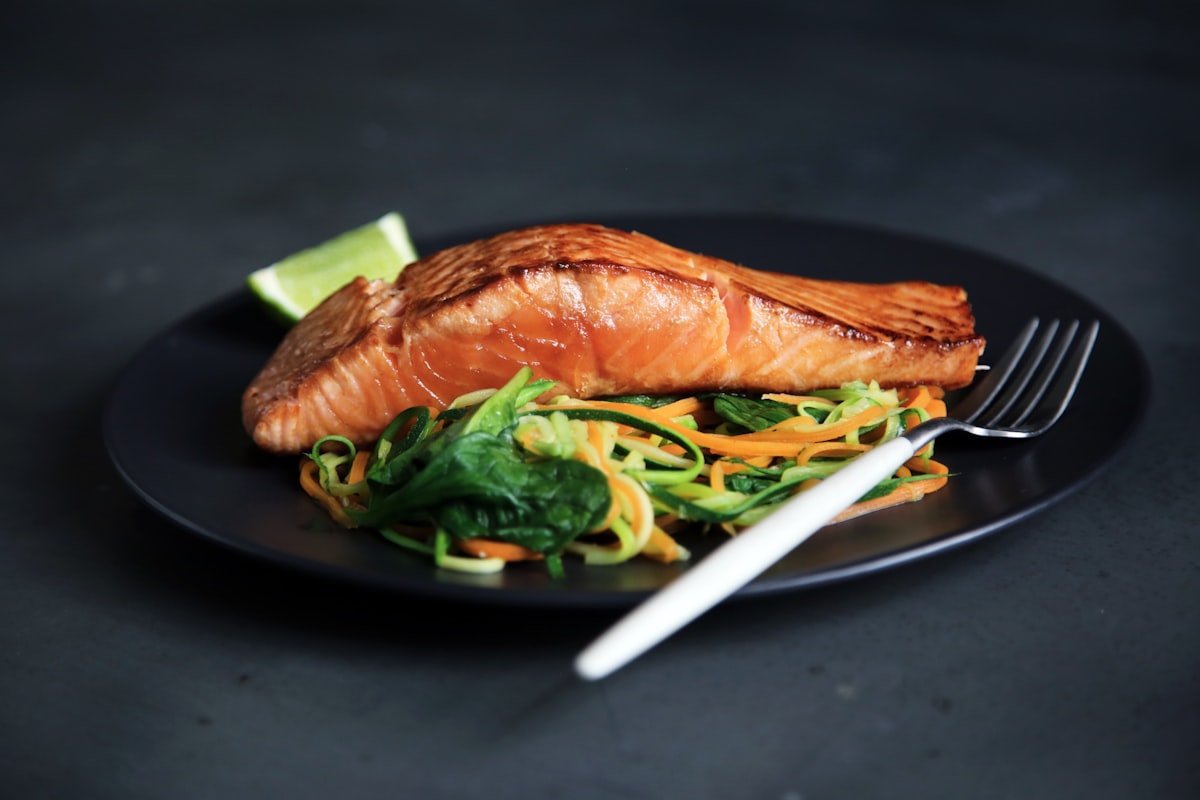
Blueberries & Cherries
Packed with anthocyanins — powerful plant pigments with documented anti-inflammatory properties — blueberries and tart cherries are two of the most studied fruits for joint health. Tart cherry juice in particular has been examined in relation to gout flares and post-exercise muscle soreness linked to joint stress.
Read full article
Turmeric & Ginger
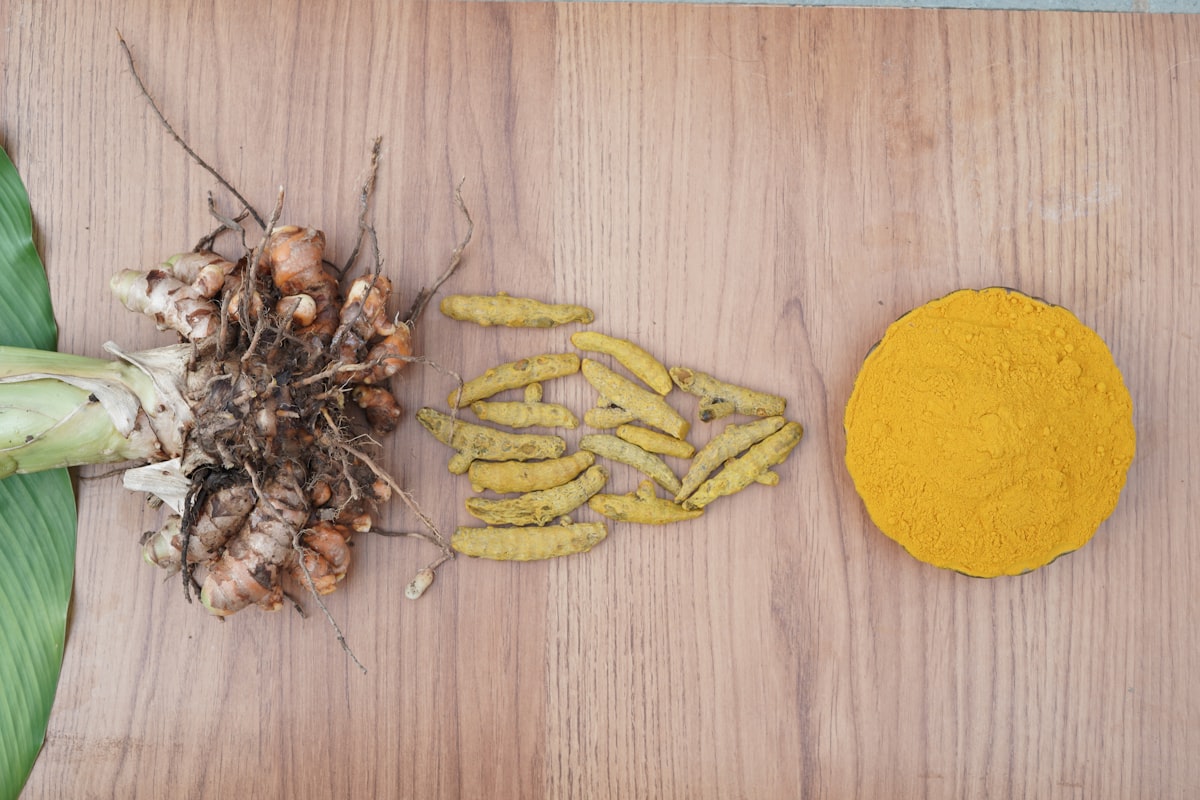
Curcumin, the active compound in turmeric, has been the subject of numerous studies examining its ability to inhibit inflammatory pathways at a molecular level. When combined with black pepper — which enhances bioavailability — and ginger's own anti-inflammatory gingerols, these two kitchen staples form a formidable dietary duo for joint comfort.
Read full article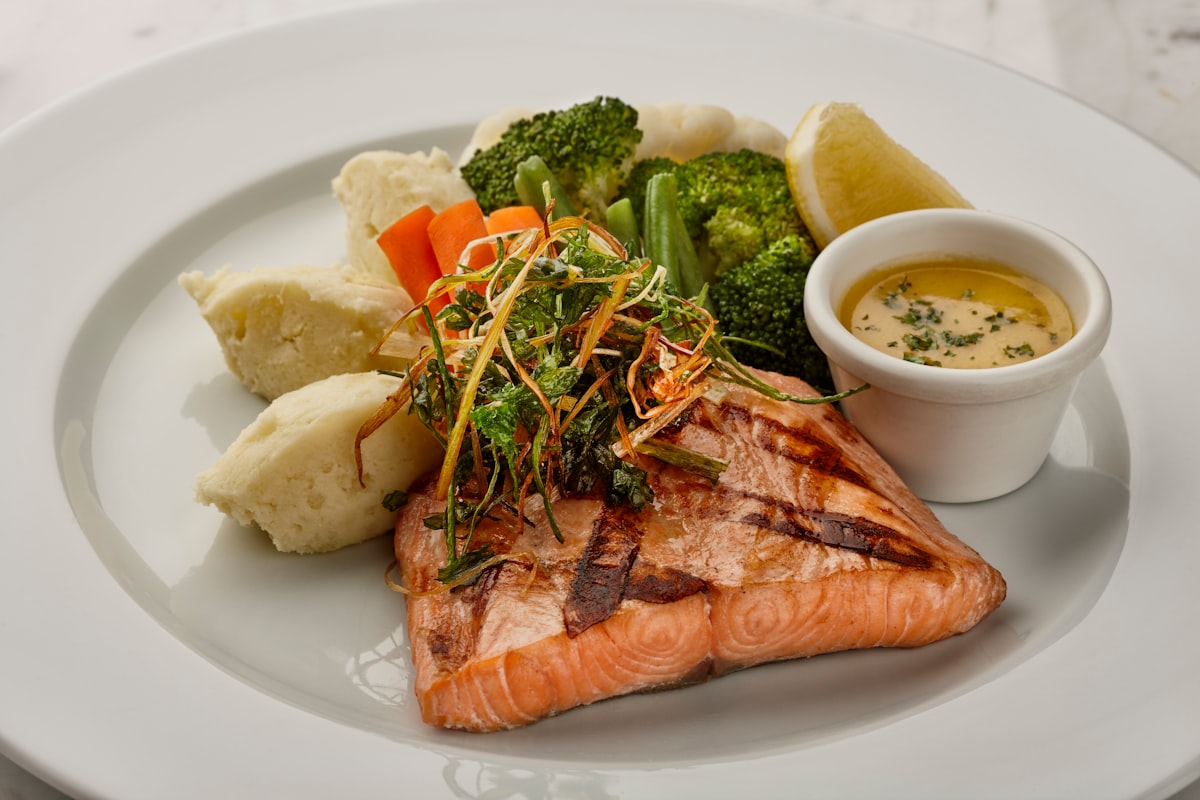
Spinach & Kale
Dark leafy greens are nutritional powerhouses loaded with vitamin K — essential for bone density maintenance — alongside folate, magnesium, and a broad array of antioxidants. Their alkalizing effect on the body also helps counteract the low-grade acidity that can intensify inflammatory processes around joint tissue.
Read full article
Walnuts & Flaxseeds
Among plant-based foods, walnuts stand out as an exceptional source of ALA — a plant-form omega-3 fatty acid — while flaxseeds deliver both ALA and lignans, plant compounds with antioxidant activity. Including a small daily handful of walnuts or a tablespoon of ground flaxseed in meals is a simple, practical habit with well-documented anti-inflammatory potential.
Read full article
Extra Virgin Olive Oil
Extra virgin olive oil contains oleocanthal, a natural phenolic compound that researchers have found works through a mechanism similar to ibuprofen in suppressing inflammatory enzymes. Using it as your primary cooking and dressing fat — a cornerstone of the Mediterranean diet — is one of the most research-supported dietary choices for long-term joint health.
Read full article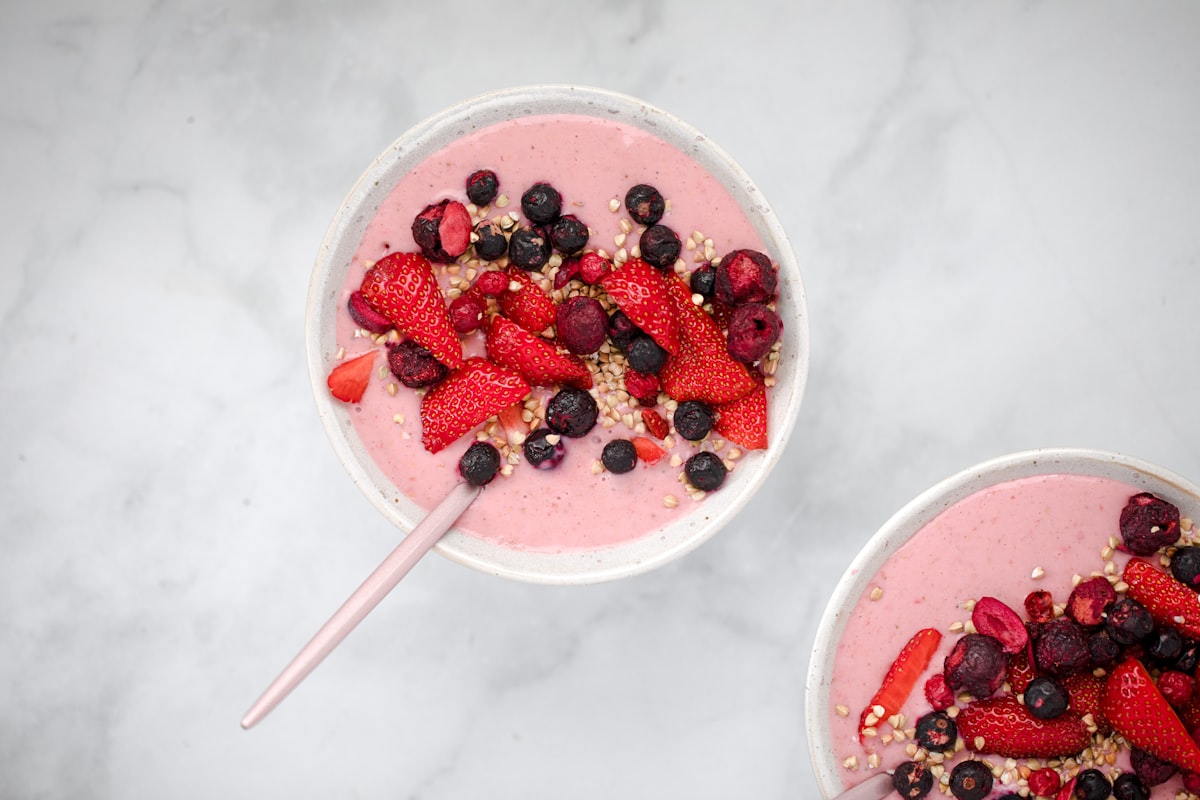
Why Omega-3s Are a Game Changer for Inflammation
Omega-3 fatty acids — particularly EPA and DHA from marine sources — work at the cellular level to modulate the body's inflammatory response. They are incorporated into cell membrane phospholipids, where they directly compete with pro-inflammatory omega-6 fatty acids for the enzymes that produce inflammatory mediators called prostaglandins and leukotrienes.
What makes omega-3s especially relevant for joint health is their ability to reduce the production of TNF-alpha and interleukin-1 beta — two cytokines heavily implicated in the joint tissue destruction seen in conditions like rheumatoid arthritis. Multiple peer-reviewed studies have observed that increasing omega-3 intake correlates with reduced morning stiffness and joint tenderness scores in participants with inflammatory joint conditions.
The practical take-away from this research is straightforward: shifting the dietary ratio of omega-6 to omega-3 fats — by eating more fatty fish, walnuts, and flaxseeds while reducing processed vegetable oils — creates a biochemical environment that is less hospitable to chronic inflammation.
Explore Omega-3 ArticlesHow to Build a Joint-Friendly Daily Meal Plan
Transitioning to an anti-inflammatory diet doesn't require dramatic, overnight changes. Our editorial team has outlined a simple, step-by-step approach to making sustainable dietary shifts that your joints will benefit from over time.
Audit What's Currently On Your Plate
Before adding anything new, take stock of the foods you eat most frequently. Identify high-inflammation culprits — refined carbohydrates, deep-fried foods, processed meats, and sugary drinks — and note how often they appear in your daily routine. This honest inventory creates the foundation for meaningful change without overwhelming yourself all at once.
Build Each Meal Around a Colorful Base
Make non-starchy vegetables and antioxidant-rich fruits the centerpiece of every meal rather than a side thought. Filling half your plate with leafy greens, cruciferous vegetables, and vibrant colored produce ensures a steady intake of the phytonutrients that actively neutralize the free radicals driving joint inflammation. Think of color variety as a proxy for anti-inflammatory diversity.
Choose Omega-3 Proteins and Anti-Inflammatory Fats
Rotate salmon, mackerel, sardines, or trout into your weekly protein rotation at least twice, and switch your primary cooking fat to extra virgin olive oil. For plant-based days, incorporate walnuts, hemp seeds, or ground flaxseed into smoothies, oatmeal, or salads. These swaps shift your dietary fat profile in a direction that actively counters inflammation at the cellular level.
Season Strategically and Stay Hydrated
Make turmeric, ginger, garlic, and cinnamon your default seasonings rather than adding them occasionally. A daily "golden" habit — such as a cup of turmeric-ginger tea or a pinch of turmeric in your morning eggs — accumulates meaningful anti-inflammatory exposure over weeks. Pair this with consistent hydration, since synovial fluid (the lubricant cushioning your joints) requires adequate water intake to maintain optimal viscosity and cushioning ability.
Want a Deeper Understanding of the Science?
Our editorial library covers the nutritional research behind every food recommendation — explained in plain, practical language for everyday readers.Visit the Joint Foods Library
Real People, Real Relief Through Better Eating
Readers from across the United States have shared how adjusting their daily diets — inspired by the guidance they found here — has made a meaningful difference in their lives.
After reading the Jointdietvoices articles on turmeric and omega-3s, I started adding salmon twice a week and swapped my vegetable oil for olive oil. Within about six weeks, I noticed my morning knee stiffness had reduced noticeably. I didn't change anything else — just my food choices. This platform gave me practical, clear information without all the marketing hype I found elsewhere.
Margaret D.
Portland, Oregon
I was skeptical that diet could really affect my hip pain, but the step-by-step meal plan guide here convinced me to try. I added dark leafy greens to nearly every meal and started eating blueberries regularly. My physical therapist actually commented that my inflammation markers had improved at my next check-up. I tell everyone I know about this site!
Margaret R.
Hip Replacement Recovery
As someone managing rheumatoid arthritis for over a decade, I thought I'd heard it all. Jointdietvoices brought fresh, evidence-based perspectives I hadn't encountered before. The community forum is especially helpful — real people sharing what works. I've reduced my morning stiffness significantly just by cutting out processed sugars and adding omega-3-rich foods.
David K.
Rheumatoid Arthritis
Frequently Asked Questions
Find answers to the most common questions about diet, joint health, and how Jointdietvoices can help you.
Absolutely. A growing body of research confirms that certain foods have potent anti-inflammatory properties that can reduce joint swelling, stiffness, and pain. Omega-3 fatty acids, antioxidant-rich vegetables, and whole grains have all been shown to lower systemic inflammation markers. While diet is not a replacement for medical treatment, it can be a powerful complement to your existing care plan.
Common dietary triggers for joint inflammation include refined sugars, processed foods, trans fats, excessive red meat, and alcohol. Foods high in purines (like organ meats and shellfish) can specifically worsen gout. Our guides help you identify your personal triggers and replace them with nourishing alternatives so you don't feel deprived.
Many people report noticing reduced morning stiffness and improved energy within 2–4 weeks of adopting an anti-inflammatory eating pattern. More significant changes in inflammation markers typically show up in blood tests after 6–12 weeks. Consistency is key — the benefits compound over time, making lasting dietary habits the most effective approach.
All content on Jointdietvoices is researched thoroughly and grounded in peer-reviewed nutritional science and rheumatology literature. We always recommend consulting your physician or registered dietitian before making significant dietary changes, especially if you are on medications or managing a complex condition. Our resources are designed to empower your conversations with healthcare providers, not replace them.
No single diet is required. While the Mediterranean diet has the strongest evidence base for reducing joint inflammation, you don't need to follow it strictly. Our approach focuses on practical principles — adding more anti-inflammatory foods, reducing inflammatory ones — that can be adapted to any dietary preference, cultural background, or budget. Small, sustainable changes consistently outperform rigid all-or-nothing plans.