

Eat Your Way to Pain-Free Joints Every Day
Discover how the foods on your plate can be your most powerful tool against joint discomfort. Our editorial team explores the science of anti-inflammatory eating — breaking down which everyday ingredients work, how to combine them, and why a thoughtful diet may be one of the most accessible paths to greater comfort and mobility.
The information on this site is for educational purposes only and does not constitute medical advice. Always consult a qualified healthcare professional before making health decisions.
Why Your Diet Is the First Line of Defense Against Joint Pain
Long before reaching for over-the-counter remedies, many people overlook what's already on their kitchen shelves. Chronic inflammation — the root driver of most joint discomfort — is significantly influenced by the foods we consume every single day. Research published in nutritional science journals consistently shows that a diet rich in specific whole foods can meaningfully reduce inflammatory markers in the body.
The connection between gut health and joint health is another area gaining serious attention in the medical community. When the gut microbiome is disrupted by processed foods, sugars, and refined carbohydrates, inflammation tends to spread systemically — including to the joints. Prioritizing anti-inflammatory foods helps restore that balance from the inside out.
At Jointdietvoices, our editorial mission is to translate complex nutritional science into clear, practical guidance. We do not sell supplements or meal plans — we curate evidence-informed content so you can make empowered decisions about what lands on your plate each day.
Meet Our Editorial Team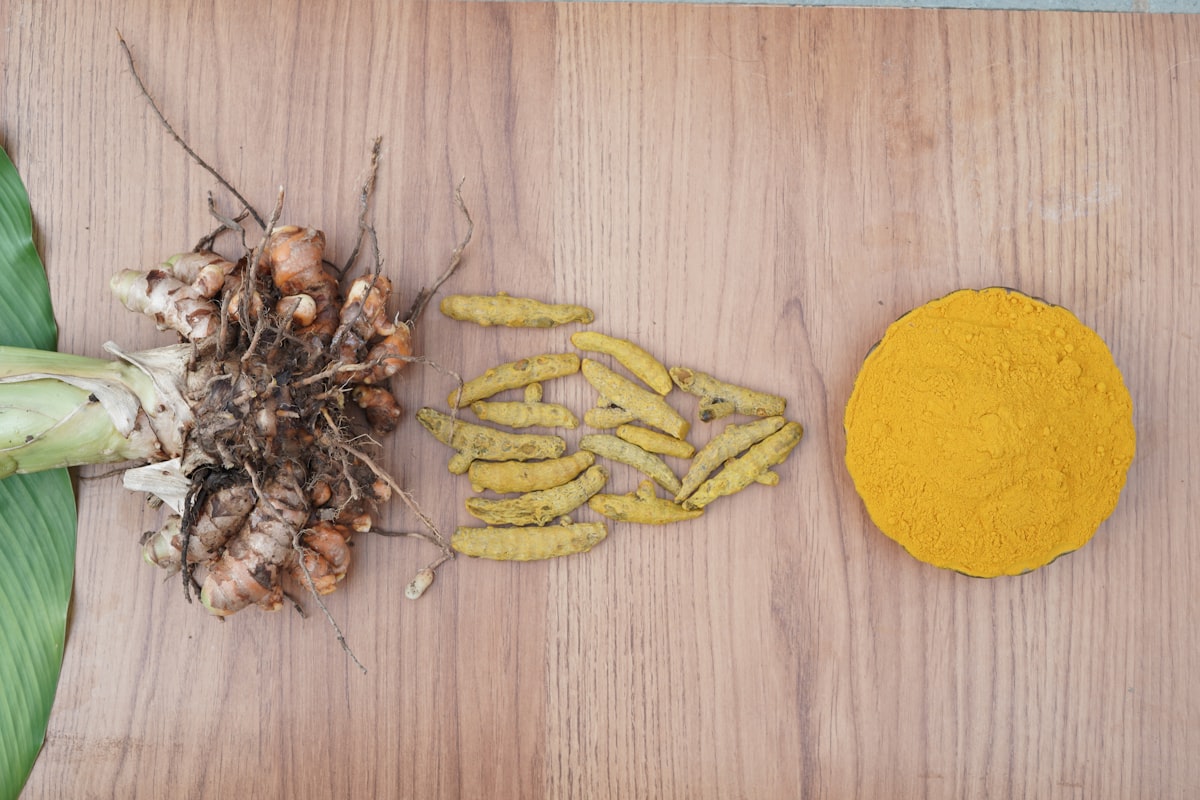
Top Anti-Inflammatory Foods You Should Eat Daily
These foods are backed by nutritional research and are easy to incorporate into everyday meals. Our editors highlight not just what to eat, but why each food earns its place on a joint-friendly plate.
Fatty Fish
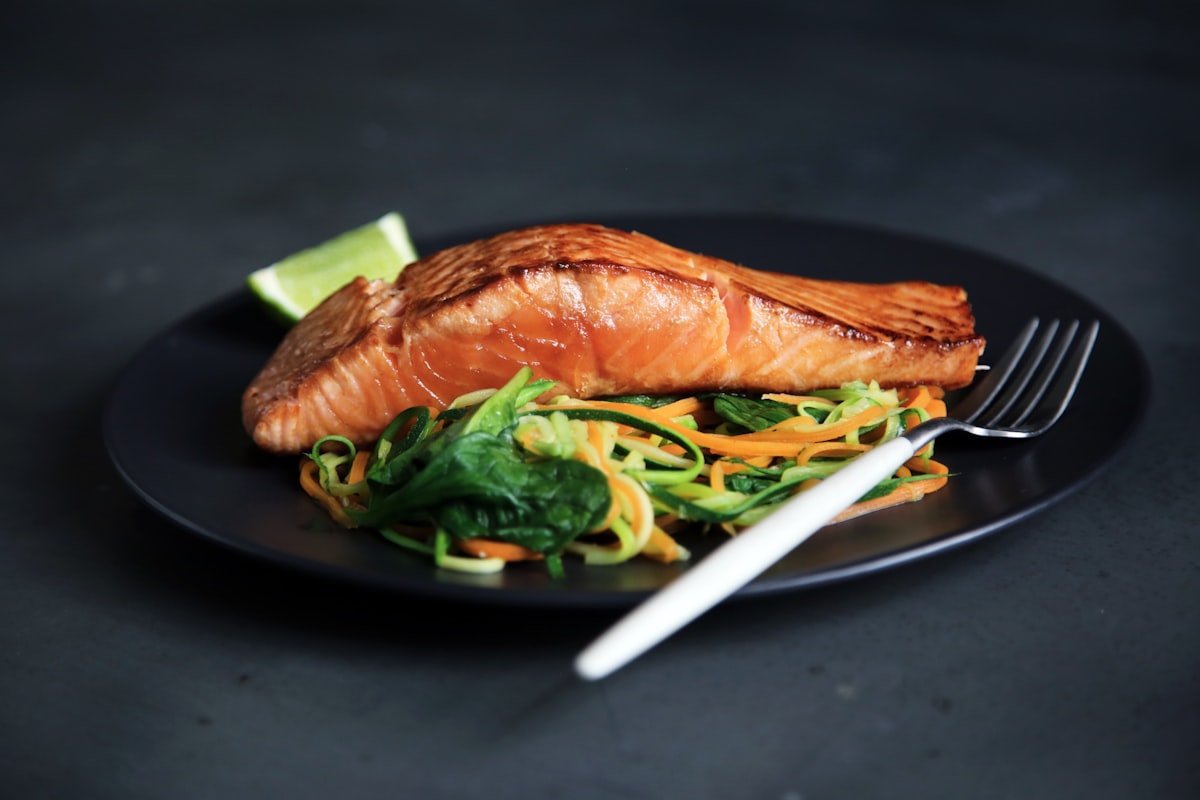
Salmon, mackerel, and sardines are loaded with omega-3 fatty acids — particularly EPA and DHA — which are known to suppress the production of inflammatory cytokines. Eating fatty fish two to three times per week can meaningfully support joint tissue health over time.
Dark Leafy Greens
Spinach, kale, and Swiss chard are exceptional sources of vitamins C, E, and K — all of which play a role in protecting cartilage and reducing oxidative stress in the joints. Their high magnesium content also supports muscle function surrounding the joints, reducing the overall strain on cartilage.
Turmeric & Ginger
Curcumin in turmeric and gingerol in fresh ginger are among the most studied natural compounds for their anti-inflammatory effects. Used together in cooking or as warm teas, these spices can help dampen the inflammatory pathways linked to joint stiffness and swelling without the side effects of some medications.
Berries
Blueberries, strawberries, and raspberries are rich in anthocyanins — potent antioxidants that combat oxidative damage in joint tissue. Regular consumption of berries has been associated with lower levels of C-reactive protein (CRP), a key marker of systemic inflammation, in multiple observational studies.
Extra Virgin Olive Oil
Oleocanthal — a natural compound found in high-quality extra virgin olive oil — functions similarly to ibuprofen in inhibiting inflammatory enzymes. Using olive oil as your primary cooking fat and salad dressing base is a simple, delicious daily habit that delivers measurable anti-inflammatory benefits over time.
Walnuts & Almonds
Walnuts are among the richest plant-based sources of ALA omega-3 fatty acids, while almonds supply high amounts of vitamin E, a fat-soluble antioxidant that protects cell membranes in joint tissue. A small daily handful of mixed nuts fits easily into any diet and adds meaningful anti-inflammatory nutrition to each day.
How to Build a Joint-Friendly Meal Plan
Building a diet that supports joint health is more approachable than most people expect. Follow these steps to move from confusion to a clear, sustainable eating strategy.
Identify Your Current Inflammatory Triggers
Begin by auditing your current diet for known inflammatory foods: refined sugars, processed meats, trans fats, and excessive alcohol. Keep a simple food diary for one week and note any meals that seem to correlate with increased joint stiffness or discomfort. This baseline awareness makes the next steps far more targeted and effective than a generic overhaul.
Build Each Meal Around a Core Anti-Inflammatory Food
Instead of overhauling your entire diet at once, anchor each meal to one key anti-inflammatory ingredient. Breakfast might center around a handful of berries blended into oatmeal; lunch could feature a leafy green salad dressed with olive oil; dinner anchored by a portion of fatty fish. This anchor approach makes the habit sustainable without requiring culinary expertise or expensive ingredients.
Prioritize Hydration and Gut-Supportive Foods
Cartilage is largely composed of water, making daily hydration one of the most underrated joint health strategies. Aim for at least eight glasses of water daily and consider adding fermented foods like plain yogurt, kefir, or sauerkraut to support the gut microbiome. A healthier gut produces fewer pro-inflammatory molecules, which has a cascading positive effect on joint comfort throughout the body.
Track, Adjust, and Read More to Refine Your Approach
After two to four weeks, revisit your food diary and compare your notes. Most people notice gradual shifts in morning stiffness, energy levels, and overall discomfort during daily activities. From there, fine-tune by exploring more specific food combinations, seasonings, and meal timing strategies — all topics covered in depth throughout our editorial guides on Jointdietvoices.
Editorial Resource
Looking for a deeper dive into joint-friendly nutrition?
Our complete food reference guide breaks down dozens of ingredients, explains the science in plain language, and helps you spot which foods to limit.
Browse the Foods GuideQuestions About Foods and Joint Health
Our editorial team answers the most frequently asked questions from readers about using diet to address joint discomfort.
Real People Who Reduced Joint Pain Through Diet
These are genuine reader experiences shared with our editorial team. Individual results vary, and we encourage everyone to consult a qualified healthcare provider before making significant dietary changes.
I had been dealing with stiff knees every morning for over two years. After reading the anti-inflammatory food guides on Jointdietvoices and making a conscious switch to more salmon, spinach, and turmeric in my cooking, my morning stiffness has noticeably eased. I was honestly skeptical that food alone could make a difference — the change has been gradual but genuinely real. This site gave me a starting point I could actually understand and act on.
Margaret Holloway
Denver, Colorado
What I appreciate most about Jointdietvoices is that the content is written clearly without pushing products or supplements. I'm a retired nurse, so I've read plenty of health content that feels agenda-driven. The editorial tone here felt refreshingly honest. I started incorporating more walnuts, olive oil, and berries into my daily meals, and over about six weeks I noticed I was reaching for pain relievers far less often than before.
Richard Campos
Austin, Texas
Get New Joint Health Guides Delivered to Your Inbox
Our editorial team regularly publishes new articles, food spotlights, and research summaries about nutrition and joint health. Enter your email below to receive the latest content — no spam, just substantive reading.
By subscribing you agree to our Privacy Policy. You may unsubscribe at any time.
Start Your Joint Pain Relief Journey
with Food — Not Frustration
The foods you eat each day have more influence over your joint comfort than most people realize. Explore our editorial library to learn which ingredients matter most, how to combine them effectively, and what the current research actually says — all in plain, honest language written for everyday readers across the United States.